Business Waste Removal in Lewisham

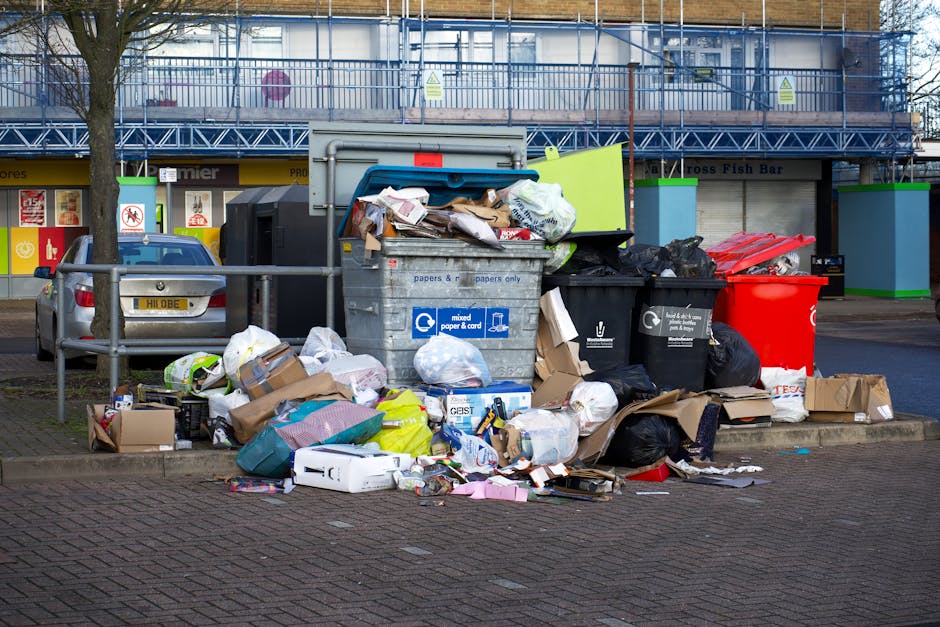
Business waste removal in Lewisham needs to be practical, organised and suitable for the type of premises involved. We handle the collection and removal of commercial refuse from shops, offices, workshops, hospitality spaces and other workplaces that need a dependable clear-out of everyday waste, bulky items or mixed rubbish. The focus is on keeping the process straightforward: identify what needs moving, agree the scope, and arrange a removal that fits the site and the material.
Many businesses need more than a one-off tidy. Stored packaging, worn furniture, broken fixtures, old stock and office clutter can build up quickly, so our service is set up to deal with a range of non-hazardous commercial waste streams in a careful, workmanlike way. If you are comparing options, start by reviewing the main service details and the related pages below, then request a quotation once you know what needs clearing.
For a fuller view of how we work across different waste types, see our waste removal service, which gives a broader picture of the collections we can arrange for commercial customers who want a single point of contact.
Commercial collections for workplaces
Our commercial collections are designed for premises that generate general business rubbish alongside bulkier items. That can include bagged waste, cardboard, dismantled display material, old filing, shelving, damaged furniture and similar items that are no longer useful on site. The key is to keep the removal controlled so the workplace can keep functioning while the waste is taken away in a sensible order.
Different businesses need different handling. A small unit may only need periodic uplift of overflow waste, while larger operations may have a more varied load that includes mixed materials. Where useful, we can remove items in stages rather than expecting everything to be ready at once, provided the job can be described clearly. For general commercial planning and useful scope notes, the business waste removal page sets out the service area in more detail.
Office waste and furniture clearance
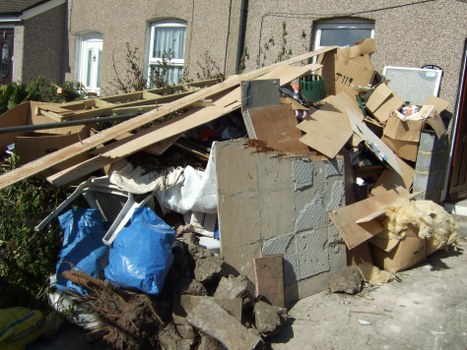
Office clearances often involve a combination of paper waste, broken chairs, desks, storage units, monitors, small accessories and obsolete items that have reached the end of their working life. The work needs more care than a simple bin emptying job because office contents are often arranged around access routes, shared rooms and equipment that must stay undisturbed. We help remove surplus items in a way that supports a tidier, more usable office environment.
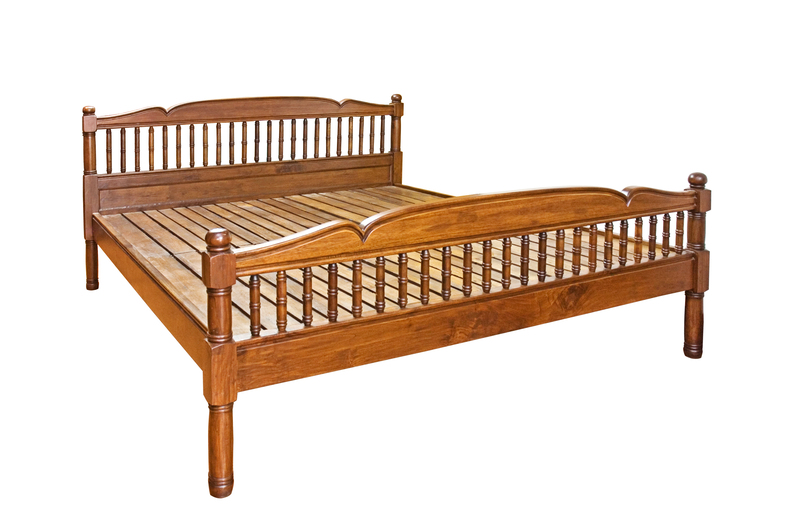
What an office clearance can include depends on the contents of the room and the amount of sorting already done. In many cases, this means separating reusable items from general waste, removing items from upper floors or tight corridors, and clearing spaces in a way that suits ongoing operations. If your job involves desks, seating or old fixtures, the office clearance service is the best place to look for a service-specific outline.
When preparing any quotation request, it helps to give a broad description of the premises, the number of floors involved and the types of items to be removed. You do not need to create a detailed inventory for every job, but a clear note about heavy items, access restrictions or mixed materials makes it easier to set the right approach. Pricing and quotes explains the sort of information that can support a more accurate estimate.
Shops, hospitality and customer-facing premises
Retail units, cafés, takeaways and other customer-facing workplaces often need waste removed without making the site untidy for long. Packaging, broken display pieces, worn seating, small kitchen items and stock room clutter can all require different handling, especially when storage space is limited. Our service can help move these items out efficiently so the business can return to normal use with less obstruction.
For premises that produce routine mixed rubbish alongside periodic bulky waste, the main value is flexibility. Not every business needs the same approach, and not every load is made up of one material. If you are dealing with worn tables, redundant fixtures or a back-room build-up, the furniture disposal page is useful for understanding how individual items and grouped pieces can be handled as part of a wider commercial clearance.
Useful preparation is usually simple: make sure the items to be removed are identified, keep essential stock or equipment separate, and note whether access is from street level, a yard, an upper floor or shared internal space. That is often enough to shape the collection properly. Contact us when you are ready to discuss the job and ask for a quotation.
Bulky items, fixtures and specialist disposal needs

Some business waste is straightforward, but other items are bulky, awkward or difficult to move without a clear plan. Office cupboards, reception furniture, broken shelving, display stands, old appliances and similar items may need lifting, dismantling or separating before they can be taken away. The aim is to remove these items safely and efficiently while keeping disruption to a minimum.
Where a business is replacing furniture or clearing a storage area, it can be useful to think about item condition and material type. A single room may contain a mix of reusable, recyclable and general waste items, and each may need a different route once removed. For material-specific information on sofas and mattresses, the mattress and sofa disposal page offers a clearer service match when those are part of the load.
We can also handle other bulky pieces that do not fit neatly into a standard bin collection. If you are unsure whether a particular item belongs in a general waste load or a separate removal, describe it as clearly as possible and ask for guidance with your quotation request. A brief note about size, quantity and location on site is usually enough to start the conversation.
Warehouse, stockroom and storage clearances
Storage areas often accumulate waste gradually: broken pallets, packaging, damaged stock, obsolete display units, empty containers and general clutter can all take up floor space that the business would rather use for active storage. A structured clearance helps return order to the room and makes the remaining layout easier to manage. The work can be arranged around the condition of the space and the type of items stored there.
In practice, storage clearances are often about sorting and removing what is no longer needed without disturbing the items that must stay. That may involve lifting from shelving, clearing corners, or taking away mixed loads from a back room that has become difficult to navigate. If your job includes household-style items within a commercial site, the flat clearance service may also be relevant where the contents resemble a compact property clear-out rather than simple rubbish removal.
For mixed loads, it is helpful to separate anything you know must remain on site from the waste to be removed. Even a basic list of the main item types is useful, especially where the job includes awkward access, limited parking or a need to work in stages. That kind of information helps shape the quotation and avoids unnecessary back-and-forth later.
Recycling, reuse and item sorting
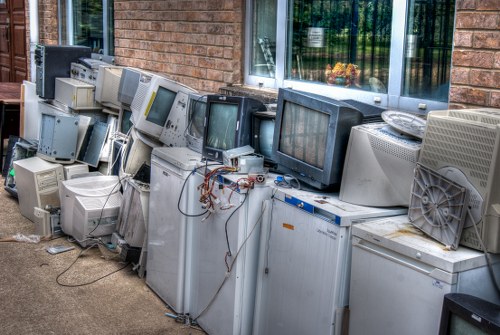
Business waste often contains a useful mix of materials, so sorting matters. Some items may be suitable for recycling, while others are best treated as general rubbish because of their condition or composition. When a commercial load is assessed properly, the removal can be organised in a way that keeps different material streams separate where possible and avoids treating everything as identical waste.
The practical side of sorting is simple: cardboard, paper, metal, some plastics, timber, electrical items and worn furniture can all appear in the same workplace clear-out. The exact handling depends on what is present and how it has been stored. If sustainability considerations are important to your business, the recycling and sustainability page is a sensible next step for understanding how we approach responsible disposal decisions within the service.
Our guidance stays focused on the actual load rather than assumptions about every site. Some jobs are mostly recyclable packaging; others are mainly bulky furniture; many are a mixture. The best result comes from describing the waste honestly, identifying anything particularly awkward, and allowing the collection plan to match what is really on site. That keeps the process direct and avoids overcomplication.
Preparing a clear quotation
A quotation is easier to prepare when the main facts are shared up front. The most useful details are usually the type of business premises, the approximate volume of waste, any items that need special handling and any access issues such as stairs, narrow corridors or a rear loading point. You do not need to write a long account; concise information is usually better than a vague or incomplete description.
Short checklist for a better quote:
- Describe the main item types and whether the load is mixed.
- Note any bulky pieces, broken fixtures or furniture.
- Explain how the waste is accessed inside the building.
- Mention if anything needs to be removed from a basement, upper floor or secure area.
Once those basics are known, it is much easier to match the service to the job. If you want to discuss a specific business clearance, use the enquiry route and ask for a quotation once the contents and access are clear. For more information about arranging a job, the book online page may be helpful where you want to move straight from planning to an organised request.
About Lewisham
Lewisham is a district in south-east London with a long history shaped by transport, suburban growth and changing patterns of commerce. The area sits on elevated ground around the River Ravensbourne valley, and its centre is known for a busy urban character rather than a single historic core. Lewisham developed significantly after rail links arrived in the nineteenth century, and that growth helped turn it into an important local centre for shopping, housing and administration. The wider district includes a varied street pattern, with denser commercial stretches near the town centre and quieter residential roads spreading outwards. Among its best-known public spaces is Ladywell Fields, a linear park following the river corridor, while nearby Manor House Gardens offers another important open area. The area’s transport identity remains strong, with rail, DLR and bus connections contributing to its role as a connected part of inner south-east London. Architecture in Lewisham is equally mixed, ranging from surviving older buildings to later civic and residential development, and that contrast gives the district much of its everyday character. Local life is also shaped by markets, schools, community venues and the steady movement of people through the town centre, which has long been one of the area’s defining features. For many visitors, Lewisham is less about a single landmark and more about the combination of transport links, green spaces, dense streets and practical urban activity that continues to define it today.
Practical support for different commercial sites
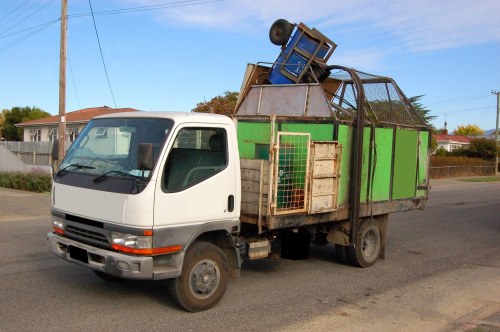
Business premises vary widely, so a sensible waste removal service has to adapt. A warehouse may need large items and packaging removed from an open floor; a small office may need paper, desks and file storage cleared; a shop may need display units and back-room clutter taken away. We keep the focus on the items and the site layout, not on forcing every job into the same pattern.
If your business is planning a refurbishment, moving premises or simply reducing accumulated waste, it helps to think about what should stay and what should go before the collection is arranged. That is especially true where the job includes mixed materials, reusable fixtures or awkward pieces that will need careful lifting. For jobs involving room-by-room clearances, the home clearance page can also be informative where the contents are closer to a general property-style load than to simple bin waste.
Request a quotation when you are ready to move forward. If you can describe the items, the access and the type of premises, we can help shape the right removal plan and keep the process clear from the start. This is the quickest way to turn a waste problem into a practical collection arrangement.
Work that stays focused on the waste itself
Commercial waste removal is most effective when the work stays focused on the actual rubbish, not on unnecessary complication. That means looking at what is on site, identifying which items need removal and deciding whether the load is mainly general waste, furniture, packaging or a mixture. In many cases, the service is best understood as a practical clearing task rather than a one-size-fits-all disposal solution.
Some customers need help with a single room or cupboard; others need a larger clear-out that leaves the premises ready for the next stage of use. Either way, the important part is that the collection is matched to the contents and carried out in a sensible order. If you are comparing related service pages, the garage clearance service gives another example of how stored items and mixed waste can be handled when a space has become difficult to use.
When you are ready to talk through the details, keep the message brief and specific. Two or three clear points about the site and the waste are usually enough to begin. A practical quotation request is often the quickest route to an arranged collection, especially when the business needs the space cleared without delay. Use the contact route and ask for the next available option that suits your job.