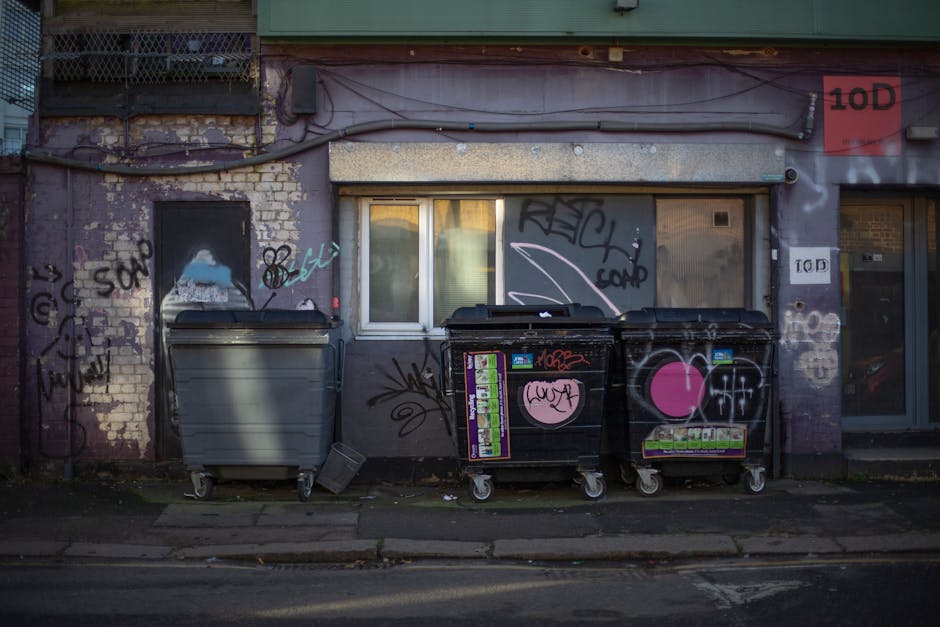
Deptford High Street Rubbish Clearance Rules for Businesses
If you run a shop, cafe, salon, office, or trades business on or near Deptford High Street, rubbish clearance can turn into one of those jobs that looks simple right up until it isn't. Bags end up out too early, bulky items block the pavement, and suddenly you're dealing with complaints, possible enforcement issues, and a front-of-house that looks far from professional. The good news is that Deptford high street rubbish clearance rules for businesses are manageable once you understand the practical expectations, the usual UK waste duties, and the local common sense that keeps everything moving.
This guide breaks the topic down in plain English. You'll learn what the rules mean in practice, how commercial waste clearance usually works, what businesses should do before putting anything out, and how to avoid the mistakes that cause trouble. We'll also cover the best way to handle awkward items, build a simple compliance routine, and choose a waste approach that saves time rather than eating it. Because, let's face it, nobody wants to be arguing over a bin bag before the lunch rush.
Table of Contents
- Why Deptford High Street rubbish clearance rules matter
- How the process works in practice
- Key benefits and practical advantages
- Who this is for and when it makes sense
- Step-by-step guidance
- Expert tips for better results
- Common mistakes to avoid
- Tools, resources and recommendations
- Law, compliance, standards and best practice
- Options, methods and comparison table
- Case study or real-world example
- Practical checklist
- Conclusion
- Frequently asked questions
Why Deptford High Street rubbish clearance rules for businesses Matters
High streets are busy places. That sounds obvious, but on a street like Deptford High Street it matters in a very direct way: there's pedestrian traffic, deliveries, shopfront visibility, and a constant need to keep pavements clear. A business can't treat rubbish as an afterthought, because waste placed badly can affect neighbours, customers, passers-by, and your own reputation in a matter of minutes.
For businesses, rubbish clearance is not just about "getting rid of stuff". It's about keeping waste stored, presented, and collected in a way that does not obstruct public space or create a nuisance. The practical side is simple enough. The tricky part is that if a business leaves items out at the wrong time, in the wrong container, or without the right arrangements, the problem becomes visible to everyone. And visible problems on a busy high street tend to get noticed quickly.
There's also a commercial angle. A clean frontage looks organised, and organisation builds trust. A cafe with tidy bins and a shop with no overfilled sacks spilling onto the pavement feels more reliable than a business with cardboard drifting into the kerb. That may sound small, but customers do judge. Truth be told, most of us do.
Expert summary: The safest approach for Deptford High Street businesses is to treat waste as part of daily operations, not as a last-minute clear-up. Plan storage, timing, collection methods, and special-item disposal before rubbish starts building up.
How Deptford High Street rubbish clearance rules for businesses Works
In practice, the rules around commercial rubbish clearance usually come down to four things: where waste is stored, when it is put out, how it is contained, and who removes it. Businesses should assume that anything left in public view needs to be handled carefully. Bins, sacks, pallets, cardboard, packaging, fixtures, and old furniture all need different treatment depending on volume and type.
Most businesses on a high street follow a routine like this:
- Waste is separated at source where possible.
- Recyclable materials are kept apart from general waste.
- Bins or containers are stored on-site, not casually left on the pavement.
- Collections are timed to reduce obstruction and mess.
- Bulky or one-off items are booked for clearance rather than dumped outside.
That last point matters more than many owners expect. A single broken fridge, a stack of office chairs, or a pile of renovation debris can change the whole risk profile. If the item is too large for normal bins, it needs a proper clearance route. For many businesses, a planned service is simpler than trying to improvise. If you need a broader commercial solution, our business waste removal service is designed for that kind of regular pressure.
When clearance involves more unusual waste types, the rules get stricter. Electrical equipment, sharp materials, confidential papers, and anything potentially hazardous should be handled separately. There's a world of difference between a few cardboard boxes and a load that includes fridges, fluorescent tubes, or broken office equipment. Same street, different problem.
Key Benefits and Practical Advantages
Sticking to a sensible rubbish clearance routine is not just about avoiding hassle. It brings everyday benefits that you can actually feel during the working week.
- Cleaner frontage: your business looks open, tidy, and cared for.
- Lower risk of complaints: fewer issues with neighbours, customers, or nearby businesses.
- Better pest control: waste that is stored correctly is less likely to attract problems.
- Smoother operations: staff spend less time improvising around rubbish.
- Easier compliance: good routines reduce the chance of avoidable mistakes.
- Better recycling: separating materials properly can improve reuse and diversion from landfill.
There's also a quieter benefit that often gets missed: morale. Staff usually work better in a space that doesn't feel cluttered or grimy. A tidy back area, a clean bin store, and a usable delivery route make the whole day feel less chaotic. A tiny thing, maybe, but it adds up.
For businesses that produce large volumes of packaging or periodic bulky waste, professional support can save time as well as stress. If your main issue is broken furniture, old display stock, or worn-out fittings, services like furniture disposal and furniture clearance can be a better fit than trying to squeeze everything into ordinary waste streams.
Who This Is For and When It Makes Sense
This topic matters to almost any business on or near Deptford High Street, but some sectors feel it more intensely than others.
- Retail shops dealing with packaging, damaged stock, mannequins, displays, or seasonal refreshes.
- Cafes and takeaways handling food packaging, cardboard, and daily waste output.
- Offices clearing old desks, confidential paperwork, IT equipment, or storage rooms.
- Trades and contractors producing builders' waste, offcuts, plasterboard, or renovation debris.
- Hospitality venues replacing furniture, appliances, or worn interior fittings.
- Property managers and landlords arranging clear-outs between tenancies or after fit-outs.
It also makes sense when a business is facing a one-off event: refurbishment, closure, stock changeover, equipment replacement, or a post-incident clean-up. If you've just inherited a back room full of mixed items that nobody wants to own, that's usually the moment to stop guessing and get a plan in place.
For office environments, the clutter can be a little sneaky. It starts with a few archive boxes, then a broken printer, then one dead monitor, then three more because someone put things "temporarily" in the corner. Suddenly the room is not temporary at all. If that sounds familiar, office clearance is often the practical answer.
Step-by-Step Guidance
If you want to manage Deptford High Street rubbish clearance properly, the easiest way is to treat it like a small operating system. Nothing fancy. Just a repeatable method.
- Identify the waste type. Separate general waste, recycling, bulky items, electrical items, and anything hazardous.
- Check what can stay on-site. Make sure bins, sacks, or containers are stored where they do not block public access.
- Decide whether it is routine or one-off. Daily waste can go through a regular stream; bulky or mixed items usually need clearance.
- Book the right service. Match the job to the waste. Do not force a builders' load into a general waste plan.
- Prepare access. Clear the route, separate the items, and make sure staff know what is being removed.
- Ask about special handling. Fridges, appliances, confidential waste, or anything hazardous should be flagged early.
- Keep records where needed. In business settings, it is wise to keep proof of disposal and service details.
That sequence sounds basic, and it is. But basic done well beats clever done badly. If you are clearing mixed waste from a back office or storage area, a broader service such as waste removal may be more efficient than piecing together several separate arrangements.
One practical tip: do a quick walk-through before collection day. Look at the route from storage area to vehicle access. Is there a locked gate? A narrow doorway? Wet cardboard on the floor? You notice these things when the crew turns up, which is exactly the wrong time.
Expert Tips for Better Results
From a day-to-day operational point of view, the smoothest waste systems are usually the dullest ones. No drama, no pile-ups, no mystery bags appearing behind the till. A few habits make a big difference.
- Use clearly labelled containers. Staff are more likely to separate waste correctly when the choice is obvious.
- Set a cut-off time. Late-night or early-morning placement should be consistent and agreed internally.
- Keep dry waste dry. Wet cardboard becomes heavy, messy, and much less recyclable.
- Break bulky items down where safe. Flatten boxes and dismantle simple fittings before collection.
- Flag awkward items early. Appliances, broken glass, and anything sharp deserve advance notice.
- Review waste after busy periods. Christmas, refurbishments, and delivery surges always create more waste than people expect.
One little thing that helps more than it should: keep a spare bin liner roll and a marker pen in the back area. Sounds minor. It isn't. When things get busy, tiny friction points matter. A lot.
If your business regularly replaces appliances or displays, it may be worth planning dedicated disposal routes for them. See fridge and appliance removal for items that need more careful handling than ordinary rubbish. And for seasonal or outdoor business waste, there are times when garden clearance is the cleaner choice, especially for cafes, pubs, or premises with exterior spaces.
Common Mistakes to Avoid
Most waste-related problems do not start with bad intent. They start with rushed decisions. Here are the ones that crop up most often.
- Leaving waste out too early. This can create obstruction long before collection is due.
- Overfilling sacks or bins. Spillage looks untidy and increases the chance of scattered waste.
- Mixing everything together. It makes recycling harder and can complicate disposal.
- Ignoring bulky items. A sofa in the alley is not "just temporary" if nobody has booked a collection.
- Assuming someone else will deal with it. In business settings, responsibility has to be clear.
- Using the wrong route for hazardous or specialist waste. This is where avoidable risk starts to creep in.
Another common issue is underestimating how quickly waste accumulates after a delivery day or refit. You think you'll have "just a few boxes", then three hours later the back room looks like a cardboard avalanche. Happens all the time, honestly.
If you are dealing with construction leftovers, do not treat them like ordinary shop waste. Plaster, rubble, timber, and packaging from a refurb often need a dedicated approach. For that kind of job, builders waste clearance is usually the more suitable route. If you need a simple reference point for what fits into a load, what can go in a skip is also a useful planning page.
Tools, Resources and Recommendations
You do not need a complicated system to stay on top of business waste clearance. A few simple tools are usually enough.
- Waste log or simple checklist: record what leaves the premises and when.
- Separate bins or boxes: one for recycling, one for general waste, one for bulky items awaiting clearance.
- Label printer or marker system: makes sorting easier for staff and temporary workers.
- Internal contact list: so everyone knows who authorises disposal of special items.
- Collection calendar: keeps you ahead of busy periods and avoids overflow.
For businesses that care about cleaner disposal outcomes, sustainability should be part of the conversation too. It is not about being perfect; it is about reducing avoidable waste and making sure reusable or recyclable materials are handled properly. Our recycling and sustainability page explains the wider approach in a straightforward way.
You may also find it useful to review related internal policies if your business handles staff data, payment processing, or supplier risk. They do not directly clear rubbish, of course, but they help show the kind of operational discipline that keeps everything else in order. On that note, pages like confidential shredding, health and safety policy, and insurance and safety may be useful reading for teams building a fuller compliance routine.
Law, Compliance, Standards, or Best Practice
For business waste, the important point is not to overcomplicate the law, but not to ignore it either. In the UK, businesses have a duty to manage their waste responsibly. That normally means arranging appropriate collection, preventing fly-tipping or nuisance, and making sure waste goes to a legitimate route rather than being left in unsafe or public spaces.
On high streets, this is especially relevant because waste that spills into the pavement area can interfere with footfall, accessibility, and general public safety. Even if a bag is "only there for a minute", that minute may be long enough to create a problem. Best practice is to keep business waste in a controlled area until it is collected, and to avoid creating trip hazards, blocked sightlines, or messy overspill.
There are a few compliance-minded habits that businesses should build in:
- Use suitable containers that keep waste contained.
- Separate hazardous or specialist items from ordinary rubbish.
- Keep collection arrangements clear and documented.
- Train staff not to dump waste informally near the frontage.
- Stay alert to access issues, especially around busy trading hours.
For higher-risk waste streams, you should be extra careful. Fridges, appliances, heavy mixed loads, and items with sharp or breakable parts are not the kind of thing to leave to guesswork. If you are dealing with more sensitive disposal, hazardous waste disposal is the safer reference point, and for site-specific risk planning, terms and conditions can help frame service expectations.
Best practice also means being realistic about what your team can do in-house. If sorting, carrying, and staging waste is taking staff away from customers, that is a sign the process needs simplifying. Efficiency and compliance often go hand in hand. Funny how that works.
Options, Methods, or Comparison Table
There is no single right way to clear business waste on Deptford High Street. The best option depends on volume, item type, space, and how often waste appears. The table below gives a practical comparison.
| Method | Best for | Strengths | Limitations |
|---|---|---|---|
| Regular bin collection | Daily general business waste | Simple, predictable, easy to manage | Poor fit for bulky or mixed loads |
| On-site segregation | Businesses producing recycling and general waste | Improves organisation and recycling | Needs staff discipline and space |
| One-off clearance | Refits, closures, stock changes, deep clears | Fast, flexible, removes bulky items | Requires good preparation and access planning |
| Specialist disposal | Appliances, hazardous items, confidential waste | Safer for regulated or sensitive materials | Needs early identification and correct handling |
For many high street businesses, the sweet spot is a mix of regular waste handling plus occasional specialist clearance. A clothes shop may need little beyond routine collections, but a restaurant or office refresh can suddenly need something more structured. That is where service choice matters, not just price.
If your premises also contain old stock, fixtures, or heavy household-style items left behind by tenants or former operators, broader services such as house clearance, home clearance, flat clearance, or loft clearance may be relevant depending on what needs removing and how mixed the load is.
Case Study or Real-World Example
Picture a small independent cafe on Deptford High Street on a Friday afternoon. The team has had a delivery of stock, the back area is crowded with cardboard, and a broken table has been pushed into the corner after a busy lunch service. By closing time, there are sacks waiting by the rear door and a fridge shelf that has finally given up. Nothing dramatic. Just a normal, messy day.
Now imagine two different approaches.
In the first version, the waste is left until the weekend without sorting. The cardboard gets damp, the route to the bins narrows, and staff start stepping around the broken table. By Monday, the area smells stale and looks chaotic. Not illegal on its face, but not good either. The team spends extra time fixing a problem that should never have grown that big.
In the second version, the cafe separates cardboard, bags, and the broken table as soon as they know it will not be reused. The fridge part is flagged for specialist removal. Staff keep the path clear, and the collection is booked before the weekend. The back area stays usable, the frontage stays tidy, and Monday morning starts calmly instead of with a sigh and a broom.
That second version is what good rubbish clearance looks like in practice. Not glamorous. Just efficient. And, if we are honest, a lot less stressful.
Practical Checklist
Use this checklist before the next clearance or collection day.
- Have I identified every type of waste on site?
- Have I separated recycling, general waste, bulky items, and anything hazardous?
- Are all items stored where they will not block the pavement or entrance?
- Do staff know what can go out and what needs special handling?
- Have I booked the right type of clearance for the load?
- Are access routes clear for the collection team?
- Have I flagged appliances, confidential items, or heavy materials in advance?
- Do I have a simple record of what was removed?
- Have I reviewed whether the waste routine is still working for busy periods?
- Do I need a one-off service rather than a standard collection?
If you want a simple next step, take ten minutes to walk the back-of-house route today. You'll often spot the problem before it grows arms and legs. A wobbling pile of boxes has a way of becoming everyone's problem by tea time.
Get a free quote today and see how much you can save.
Conclusion
Getting on top of Deptford high street rubbish clearance rules for businesses is mostly about habits. Keep waste contained, separate what you can, choose the right clearance method, and do not leave awkward items to chance. That simple approach protects your staff, keeps the frontage looking professional, and reduces the odds of an avoidable headache later on.
If your business is dealing with regular rubbish, bulky items, or a one-off clear-out, the smartest move is usually to put a clear process in place now rather than reacting under pressure later. A bit of planning saves a lot of scrambling. And on a busy high street, that calm, tidy feeling is worth its weight in cardboard.
For more about the people behind this approach, you can also read about us or review pricing and quotes when you are ready to plan the next step. If you prefer to get things moving quickly, book online is there when you need it.
Frequently Asked Questions
What do Deptford High Street rubbish clearance rules mean for businesses in practice?
They mean businesses should store waste safely, avoid blocking public areas, separate waste types where possible, and arrange proper removal for bulky or special items. The main idea is simple: keep rubbish controlled and do not treat the pavement like a storage area.
Can my business leave bins or rubbish bags outside the shop?
Only if it is done in a way that does not create obstruction, mess, or a nuisance, and only for the collection arrangement you are using. In practice, you should keep waste secured and only put it out when needed. Leaving things out early is where problems begin.
What happens if I mix general waste with recyclable materials?
It usually makes disposal less efficient and can reduce recycling opportunities. In some cases it can also make the load harder to handle properly. A simple separation system is usually the best fix, even if it feels a bit old-fashioned.
Do businesses need a different approach for bulky items?
Yes. Bulky items like desks, chairs, shelving, or damaged stock often need a dedicated clearance plan. They are not the sort of thing you want leaning against a bin store for days on end.
What should I do with broken appliances or fridges?
Flag them early and arrange a suitable collection route. Appliances can need specialist handling, especially if they are heavy, awkward, or contain components that should not be treated as ordinary waste. Planning ahead is much easier than moving a fridge twice.
Is business waste clearance different from domestic clearance?
Yes, because the duty of care, volume, and operational expectations are different. Business waste often needs better records, cleaner storage, and more structured handling. A mixed-use premises can make this even more important.
How often should a business review its waste process?
At least whenever trading patterns change, such as during busy seasons, refurbishments, or staff changes. Even a small shift in sales or deliveries can change how much waste is produced.
What is the most common mistake businesses make?
Waiting too long to deal with the problem. Waste builds up quietly, then all of a sudden it is in the way, smells a bit off, and needs sorting in a rush. That is usually when mistakes happen.
Can confidential paperwork go out with general waste?
It should not. Confidential papers need careful handling and secure destruction rather than casual disposal. If your business handles private information, use a dedicated process for it.
How do I know whether I need a one-off clearance or regular collections?
If the waste is routine and predictable, regular collections may be enough. If you are dealing with a deep clear, a refit, bulky items, or mixed materials, a one-off clearance is usually the better fit. That distinction saves a lot of wasted effort.
What if my business produces builders' waste from a small refurbishment?
Use a route suited to construction-style debris rather than general waste. Materials like rubble, timber, and offcuts need their own handling, and a dedicated builders' waste option is usually the cleaner solution.
How can I keep the business frontage looking clean on a busy week?
Use a fixed waste routine, assign responsibility clearly, and avoid letting bags or boxes accumulate at the door. A tidy frontage does not happen by luck. It comes from a few boring habits done well, which is usually how the best systems work.